





Enrollment in charter schools over the last 10 years has tripled with extensive wait lists. In fact, there has been a seven percent growth in charter school system enrollment between Fall 2015 and Fall 2016.
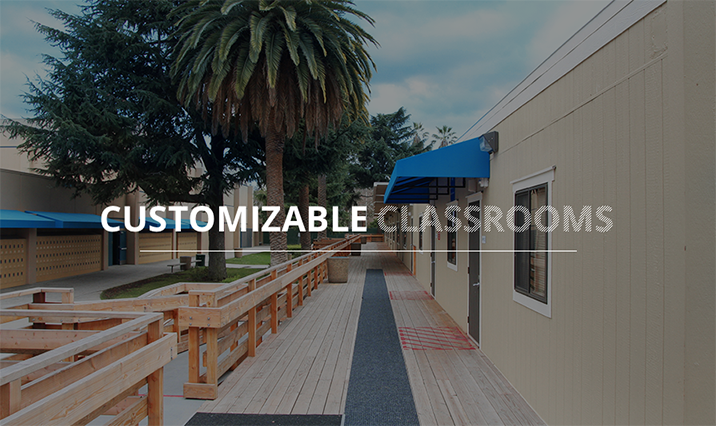
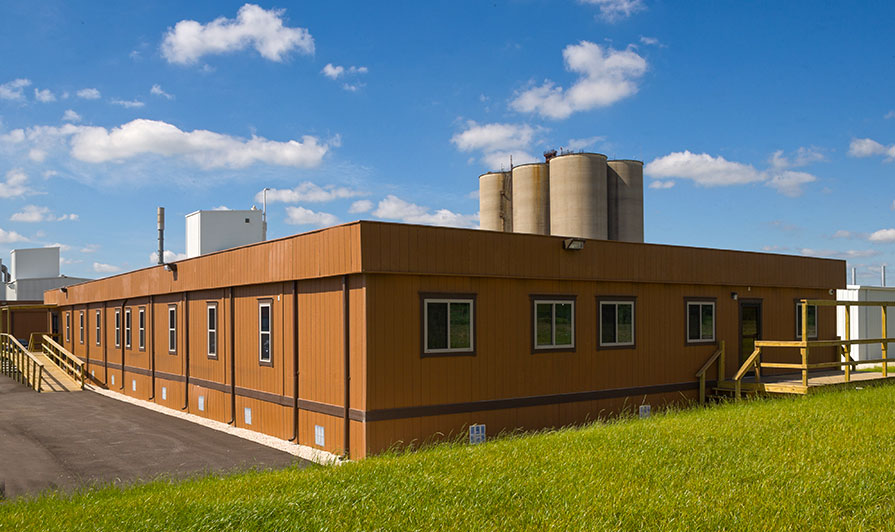
Modular Buildings – The World’s Fastest Construction
Modular commercial buildings are testing the limits of construction speed. In 2015, a Chinese construction firm completed a 57-story skyscraper in 19 days.
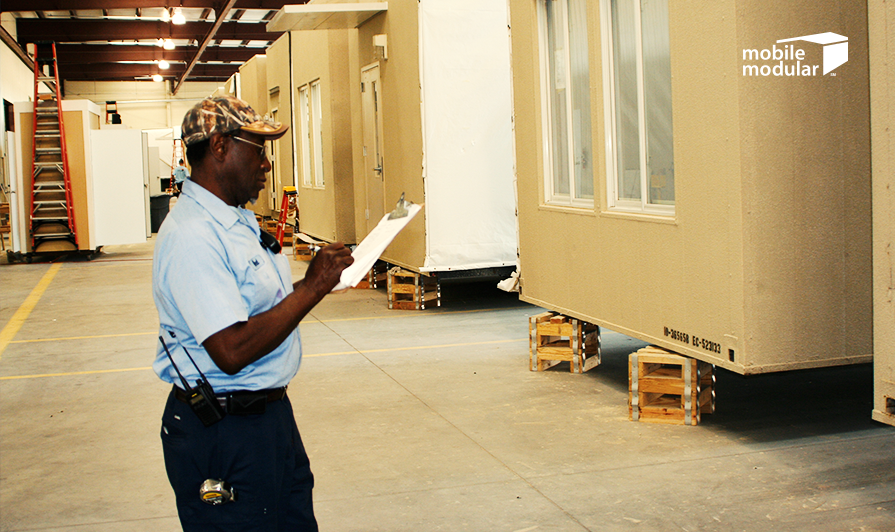
Modular buildings are a great solution for both short-term and long-term construction needs. Don’t let the “modular” title trick you. These structures have a longer life span than you’d guess.
There is a pressing need to reduce construction-related waste across the country.

Healthcare, a Rapidly Changing Landscape
Healthcare within the United States is experiencing major shifts due to the increasing needs of growing populations and increased expectations for comfort and convenience from patients.

Deciding whether to buy or rent a modular building is an important financial decision for businesses. And it all depends on your circumstances and the duration of your needs. Here are a few questions to help you figure out whether to buy or rent.
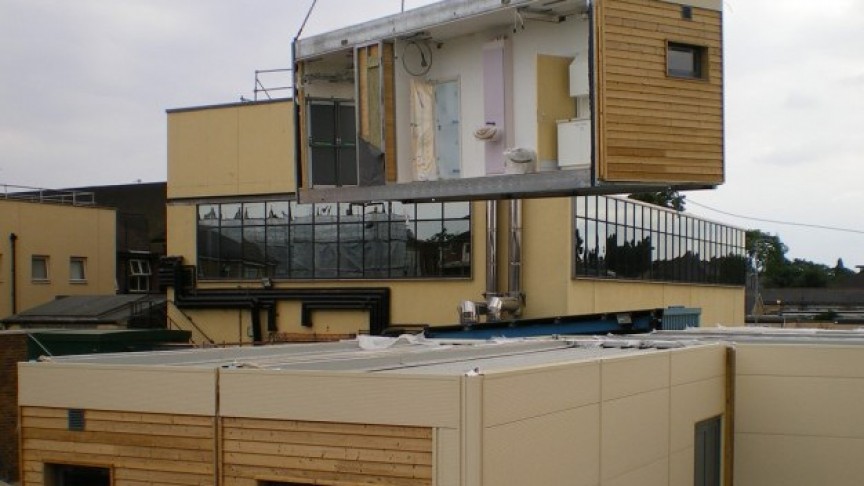
“Tech hasn’t really adopted a particular language for buildings. We’ve just found old buildings, we’ve moved into them, and we’ve made do best we could.” – David Radcliffe, VP, Real Estate, Google

Industries and corporations around the world are becoming more aware of the advantages modular buildings offer over site constructed buildings.
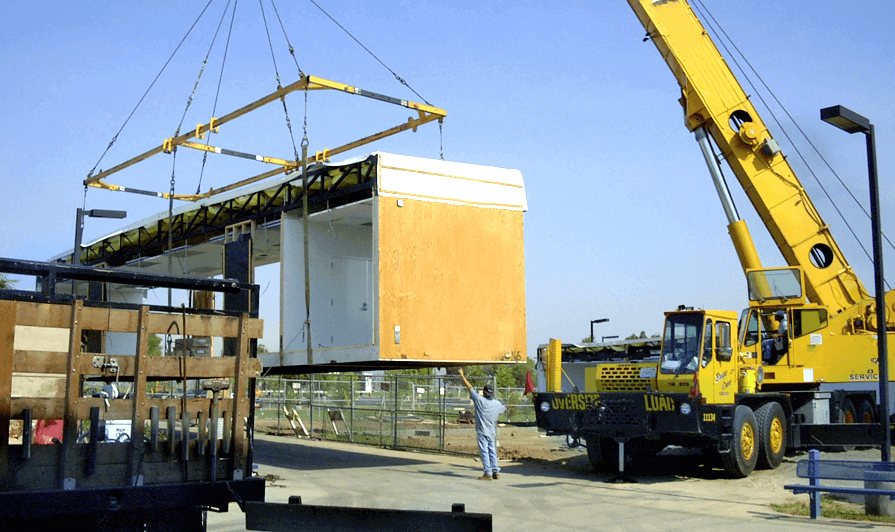
Construction is known to be an industry that takes time to adapt to new developments.

